
There is a common instinct, when something happens to someone we care about, to respond immediately with a gift. A bereavement, a diagnosis, a loss of any kind — and we reach for the gesture because we don't know what else to reach for. This instinct is good. But its timing is often wrong.
In the first hours and days after a difficult event, most people are surrounded. Friends come, family rallies, meals appear. The attention is dense and immediate. A gift sent in those hours joins a crowd. It is appreciated, but it can also feel like part of the rush — another thing to process when processing is already overwhelming.
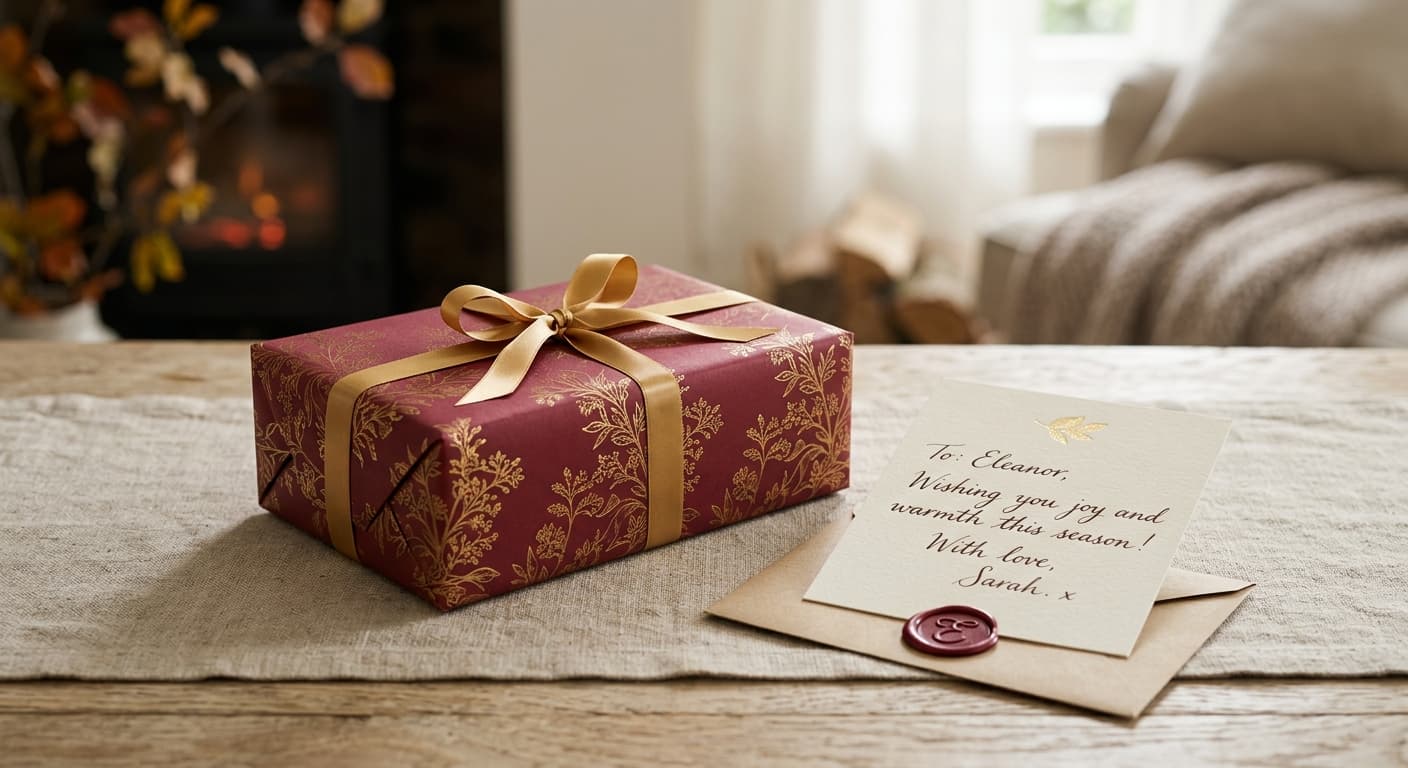
The gift that is remembered is the one that arrives later. Two weeks after the funeral. A month after the diagnosis. Six weeks into the long, quiet stretch that follows a loss, when the visitors have gone home and the phone has stopped ringing. That is when a knock at the door, a parcel, a handwritten note lands with its full weight.
This is not a rule. Some occasions demand immediacy — a birth, a wedding, a celebration. When something joyful happens, your gift should arrive on the crest of the joy, not in its wake. The energy of the moment carries it. Delayed congratulations feel like afterthoughts.
But for the harder moments, patience is its own form of care. It says: I am still here. I did not forget. I am thinking of you now, not just when it was easy to think of you. That message — carried by timing alone, before the recipient even opens the box — is worth more than anything inside it.